Planning a family safari from Nigeria or another West African country brings questions most online guides never answer, like the visa process for a Nigerian passport, the flight from Lagos, or what the trip costs in Naira. This guide is built for Hausa speaking families who want real answers before they commit.
TouringInsights Kenya safari planning for Hausa speakers starts with practical logistics, then moves to wildlife, safety, and culture. We keep the language clear and avoid guesswork. Where we cannot verify an exact figure, we say so and give you a labeled range instead.
What Does TouringInsights Kenya Safari Planning for Hausa Speakers Cover?
This guide covers the Nigerian passport eTA process, flight times from Lagos, Abuja, and Kano, and safari costs converted into Naira. It also covers family safety, language, and the cultural links between Hausa-Fulani and Maasai or Samburu pastoralist life.
Do Nigerians Need a Visa or eTA for a Kenya Safari?
Yes. Nigerian passport holders need an electronic travel authorization, or eTA, before flying to Kenya. It replaced the old visa on arrival, and you apply online through the official Kenyan government portal.
The eTA costs around $34 for a single entry as of 2026, though that figure may change. You need a passport valid for at least six months, a return ticket, proof of accommodation, and a yellow fever certificate.
Apply at least two weeks before your trip, since families should not risk a short window.
How Long Is the Flight from Lagos, Abuja, or Kano to Nairobi?
Direct flights from Lagos to Nairobi take about five and a half hours on Kenya Airways. From Abuja, expect a connection through Lagos or Addis Ababa, with total travel time of eight to twelve hours.
Kano has no direct flight to Nairobi, so you will connect through Lagos, Abuja, or another hub, with at least two hours between flights for airport formalities.
For young children, a five hour direct flight is manageable, especially at night. The time difference is only two hours, so jet lag is mild.
Is Kenya Safe for Hausa or Nigerian Families Traveling with Children?
Kenya is safe for tourists who follow standard precautions. Nairobi has areas that are fine by day and others to avoid after dark. Safari lodges sit in secure, remote areas with guards and staff who know the land.
Crime is rare inside a safari camp. The bigger risks are wildlife related, so follow your guide’s instructions, stay in the vehicle unless told otherwise, and keep children seated during game drives.
In Nairobi, use hotel transport for the first and last nights and avoid walking alone after dark. TouringInsights only recommends camps with basic child safety standards.
Is English Widely Spoken on Safari in Kenya?
Yes. English is an official language in Kenya. Guides, lodge managers, and camp staff speak it well enough for clear communication, and children have no trouble asking questions or ordering meals.
Swahili is the other official language. You might hear “jambo” or “karibu” from staff, and learning a few words is a nice way to connect.
If you want Hausa speaking guides, ask when comparing operators. Some camps with Nigerian or West African staff can arrange it, but do not assume it is standard.
Is Hausa-Fulani Pastoralist Culture Similar to Maasai or Samburu Culture?
There are meaningful parallels. The Hausa-Fulani have a long history of cattle herding, as do the Maasai and Samburu of Kenya, and both value livestock as wealth and strong oral storytelling.
They are not the same culture. The languages are unrelated, and the clothing, food, and ceremonies differ. Still, a shared respect for the land shows through. You can see it in Maasai warriors guarding cattle with spears, and in Samburu elders deciding matters under a sacred tree.
Spend time visiting a community conservancy. The Maasai and Samburu run schools, clinics, and wildlife programs, not museum displays, so visit with respect.
What Is the Best Time of Year for a Kenya Safari from West Africa?
Kenya has two dry seasons and two wet seasons. The dry months of July to October and January to February are best for wildlife viewing. Animals gather near water, and the Masai Mara migration peaks around August.
The wet months of March to May and November to December bring fewer tourists and lower rates. Roads can get muddy, but for families on a budget the low season still works.
From Nigeria, the long summer school break aligns with the Kenyan dry season, and Christmas falls in a dry month too.
Which Kenya Parks and Conservancies Are Best for Families with Young Children?
The Masai Mara has wide open plains, big cats, and the migration, but it can be crowded in peak season. Private conservancies like Naboisho or Olare Motorogi border the park and limit vehicles for fewer crowds and more personalised guiding.
Ol Pejeta Conservancy in Laikipia is excellent for families, hosting the last two northern white rhinos and a chimpanzee sanctuary on flat, easy viewing terrain. See camps and lodges in Ol Pejeta for options that welcome kids.
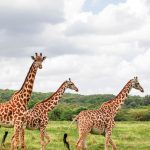
Samburu National Reserve has dry riverbeds, doum palms, and species like the reticulated giraffe and Grevy’s zebra, and pairing it with Ol Pejeta is hard to beat for a first safari.
Amboseli National Park sits at the foot of Mount Kilimanjaro, with swamps that attract elephants year round. It is smaller than the Mara, which suits younger children.
How Much Does a Kenya Safari Cost in Naira?
Safari costs vary by season, camp standard, and number of nights, so we offer ranges rather than one figure. As of August 2026, the exchange rate sits around 1,550 Naira to 1 US dollar, but that rate moves, so treat conversions as estimates. Children under 12 often stay at half price in mid range and luxury camps.
| Safari Tier | Cost per Adult per Night (USD) | Family of Four per Night (Naira, approx) |
|---|---|---|
| Budget camping | $150 to $250 | 930,000 to 1,550,000 |
| Mid range lodge or tented camp | $350 to $600 | 2,170,000 to 3,720,000 |
| Luxury conservancy camp | $700 and up | 4,340,000 and up |
Add park fees and flights, and a week long luxury safari can exceed 30 million Naira.
Park fees are separate and set by county authorities, not a single national body. Masai Mara fees are set by Narok County, while conservancy fees for places like Naboisho or Mara North follow their own schedules.
| Park or Conservancy | Non-Resident Adult Fee |
|---|---|
| Masai Mara, January to June | $100 per day |
| Masai Mara, July to December (peak migration) | $200 per day |
| Private conservancies (Naboisho, Mara North, and similar) | $80 to $150 per person per night |
Child fee discounts are common, but the age brackets and amounts vary by park and change over time. Confirm the current child rate and all fees with your operator before you finalize a budget.
Can You Pay in Naira, or Do You Need US Dollars in Kenya?
You cannot pay in Naira in Kenya. Kenyan shillings are the local currency, and US dollars are widely accepted at lodges, but not on the street for small purchases.
Bring clean, newer US dollar bills in good condition, since banks and forex bureaus often reject older or damaged notes. Exchange enough for shillings at the airport or a bank.
Cards work at most lodges and camps, with Visa and Mastercard common and Amex less accepted. Carry some cash as backup, but not large sums.
What Should a Hausa-Speaking Family Pack for a Kenya Safari?
Packing follows the seasons. For dry months, pack light layers, since Mara mornings are cold, around 10 degrees Celsius, while afternoons reach 28. A fleece jacket, long trousers, and closed shoes are essential.
For children, pack sunscreen, insect repellent with DEET, and a hat, since the sun is strong at altitude. Binoculars are a must, ideally a pair for each child, plus a small notebook for wildlife journaling.
For families observing halal dietary practices, inform your operator in advance. Most camps offer vegetarian and chicken dishes, and some source halal meat in Nairobi, but do not expect certification at remote bush camps.
See the full Kenya safari packing list for a downloadable version.
Does My Child Need a Yellow Fever Vaccine to Travel from Nigeria to Kenya?
Yes. Kenya requires a yellow fever certificate for travellers from countries with yellow fever risk, and Nigeria is on that list. Show it at immigration, or you may be denied entry or vaccinated at the airport.
The vaccine is a single shot with lifelong protection. Get it at least ten days before travel, and carry the printed certificate, not a phone photo.
Malaria prophylaxis is also recommended. Most safari areas are low risk, but the coast and parts of the Mara carry some risk, so consult your doctor about medication.
What Does a Sample 7-Night Family Itinerary in Kenya Look Like?
Start with one night in Nairobi to recover from the flight, at a hotel near the airport with a pool. Save the Giraffe Centre and David Sheldrick Wildlife Trust for the end of your stay.
Days two to four: fly or drive to Ol Pejeta Conservancy for three nights to see rhinos, chimpanzees, and the equator line. The drive takes about four hours, or a forty minute flight to Nanyuki saves energy.
Days five to seven: fly from Nanyuki to the Masai Mara for three nights in a family friendly camp, with morning and late afternoon game drives to spot lions, elephants, and maybe a cheetah.
Day eight: fly back to Nairobi, with a morning stop at the Giraffe Centre if your flight home leaves late.
This itinerary mixes two landscapes: conservation science in Ol Pejeta and classic safari drama in the Mara. See family-friendly stays in the Masai Mara for vetted options.
How Do You Compare Operators and Safari Packages?
Comparing operators is about asking the right questions. Does the camp have a kids programme, and what is the age minimum for game drives? Most camps accept children over 6, and some allow younger with a private vehicle, which costs more but lets you stop for bathroom breaks on your own schedule.
Check what is included, since park fees, flights, and drinks can double the headline price. Ask for a full breakdown in writing, and compare two or three packages side by side.
Check the camp’s safety record too: fenced dining areas, trained guides, and recent family reviews. The big five Kenya guide covers which animals you might see.
Where Can You Find More Safari Planning Resources?
TouringInsights has built similar planning guides for other language groups. The guide for South African families covers many of the same logistics with a different lens, alongside park guides like the Masai Mara guide and the Amboseli safari guide.
For families from Nigeria, understanding the Kenya safari cost in Naira is a good first step, and the best time to visit the Masai Mara page adds seasonal detail.
Where Can You Browse Packages and Compare Safari Operators?
Compare safari operators who know West African travel requirements. They can walk you through the eTA, the yellow fever certificate, and the Naira budgeting.
Browse packages on FindMySafari, Valley Safaris, or Trunktrails Safaris. These platforms list vetted operators with family friendly camps, so you can compare itineraries, prices, and reviews in one place.
Confirm the halal food options, the children’s programme, the vehicle type, and the payment methods. Compare at least two operators, and confirm every fee directly with them.
Which Additional Guides Do Our Booking Partners Offer?
- Kenya wildlife tours from Trunktrails Safaris
- Best time to visit Kenya month-by-month map from Valley Safaris
- Family safari collection on FindMySafari
- Masai Mara Great Migration guide from Trunktrails Safaris